İstanbul
Çok Bulutlu
14°C
İstanbul
14°C
Çok Bulutlu
Cumartesi Çok Bulutlu
16°C
Pazar Az Bulutlu
16°C
Pazartesi Az Bulutlu
18°C
Salı Az Bulutlu
19°C
Kadir Büyükdoğan, Barlas Göker, Mazhar Tokgözoğlu, Ulukan İnan, Korhan Özkan, Tahsin Sami Çolak, Lercan Aslan, Mehmet Ali Deveci, Mehmet Ayvaz Objectives This study aims to evaluate functional outcomes of patients and to analyze complication rates of modular intercalary endoprosthetic reconstruction after resection of metastatic diaphyseal bone lesions. Patients and methods Between December 2017 and February 2020, 22 patients (15 males, 7 females; median age: 64.2 years; range, 49 to 91) who underwent reconstruction with modular intercalary endoprostheses for metastatic bone tumors at five different centers were retrospectively analyzed. Age, sex, diagnosis, follow-up duration, previous treatments of patients, and resection lengths were recorded. The Musculoskeletal Tumor Society Scores (MSTS) were used to assess functional status of available patients at the final follow-up. Failures were categorized according to the Henderson classification. Results Locations of the resected
Objectives
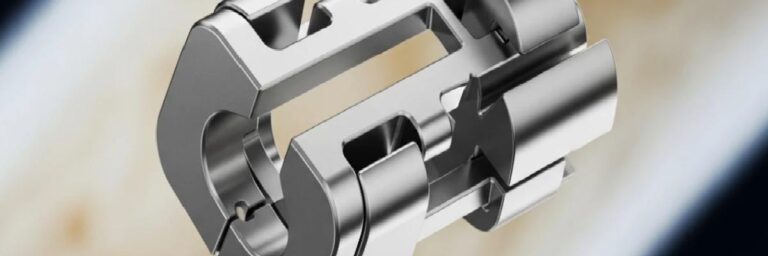
This study aims to evaluate functional outcomes of patients and to analyze complication rates of modular intercalary endoprosthetic reconstruction after resection of metastatic diaphyseal bone lesions.
Patients and methods
Between December 2017 and February 2020, 22 patients (15 males, 7 females; median age: 64.2 years; range, 49 to 91) who underwent reconstruction with modular intercalary endoprostheses for metastatic bone tumors at five different centers were retrospectively analyzed. Age, sex, diagnosis, follow-up duration, previous treatments of patients, and resection lengths were recorded. The Musculoskeletal Tumor Society Scores (MSTS) were used to assess functional status of available patients at the final follow-up. Failures were categorized according to the Henderson classification.
Results
Locations of the resected tumors included 10 humeri (45.5%), five tibiae (22.7%), and seven femurs (31.8%). The length of the resected tissues ranged from 35 mm to 180 mm. Seven patients (31.8%) died of disease, and one patient died of pneumonia within follow-up period. The functional outcomes of surviving patients were satisfying with a median MSTS score of 86.9% (range, 70 to 100%) at a median follow-up of 17 (range, 8 to 26) months. There were two cases of type II (9%), one cases of type IIIa (4.5%), two cases of type IIIb (9%), and one case of type IV (4.5%) failure. Complications were most commonly observed in tibial reconstructions.
Conclusion
The good short-term functional results were achieved in surviving patients. Uncomplicated patients were able to perform daily living activities without limitations. The overall rate of complications was relatively low and, among them, mechanical problems were the most commonly encountered problems.
(Bu içerik Değişik Platformlar taranarak alıntılanmıştır)